Understanding Secondary Sanctions and Their Impact on International Exposure
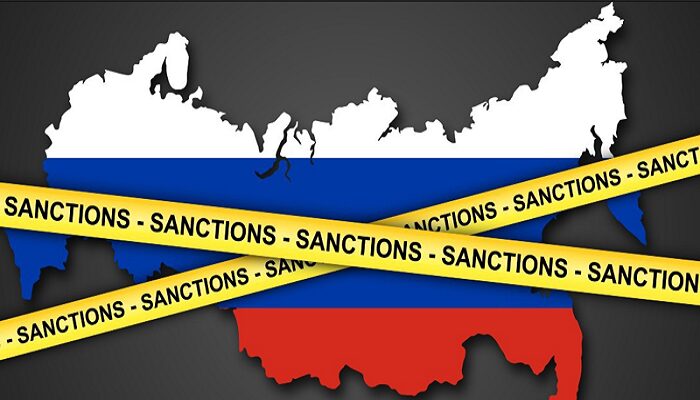
In an increasingly interconnected world, the concept of Secondary Sanctions & International Exposure has become pivotal for businesses operating on a global scale. As nations leverage economic measures to exert pressure on their adversaries, secondary sanctions emerge as a powerful tool in international relations and commerce. This article delves into what secondary sanctions are, how they function, and their implications for international businesses and diplomatic relations.
What Are Secondary Sanctions?
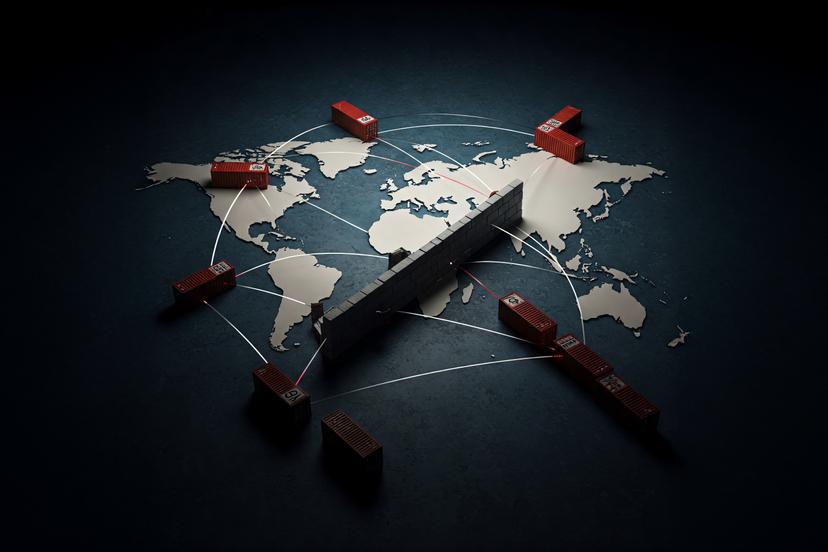
Secondary sanctions are penalties imposed by one country on foreign entities or individuals that engage in trade or financial transactions with a country already subjected to primary sanctions. Unlike primary sanctions, which directly target the sanctioned nation, secondary sanctions extend the reach of a nation’s regulatory scope, influencing how third-party countries engage with the sanctioned state. This mechanism not only isolates the targeted regime but also pressures other nations and companies to comply with the sanctioning country’s policies.
The Mechanism of Secondary Sanctions
The implementation of secondary sanctions usually involves a series of steps. First, a primary sanctioning authority, such as the United States, identifies a nation or entity engaged in activities deemed hostile or detrimental. Following this, secondary sanctions are announced, warning third-party entities that they may face penalties if they continue their transactions with the sanctioned party. These penalties can include restrictions on access to financial systems, trade limitations, and other forms of economic retaliation that aim to create a ripple effect across global commerce.
Case Studies of Secondary Sanctions
Several prominent instances highlight the impact of secondary sanctions on global trade and diplomacy. Notably, the U.S. sanctions regime against Iran serves as a quintessential example. Following the withdrawal from the Joint Comprehensive Plan of Action (JCPOA) in 2018, the U.S. reimposed sanctions on Iran and introduced secondary sanctions on foreign entities that dealt with Tehran. This action resulted in significant economic consequences for companies across Europe and Asia, forcing many to reassess their engagement strategies with Iranian markets.
International Reactions to Secondary Sanctions
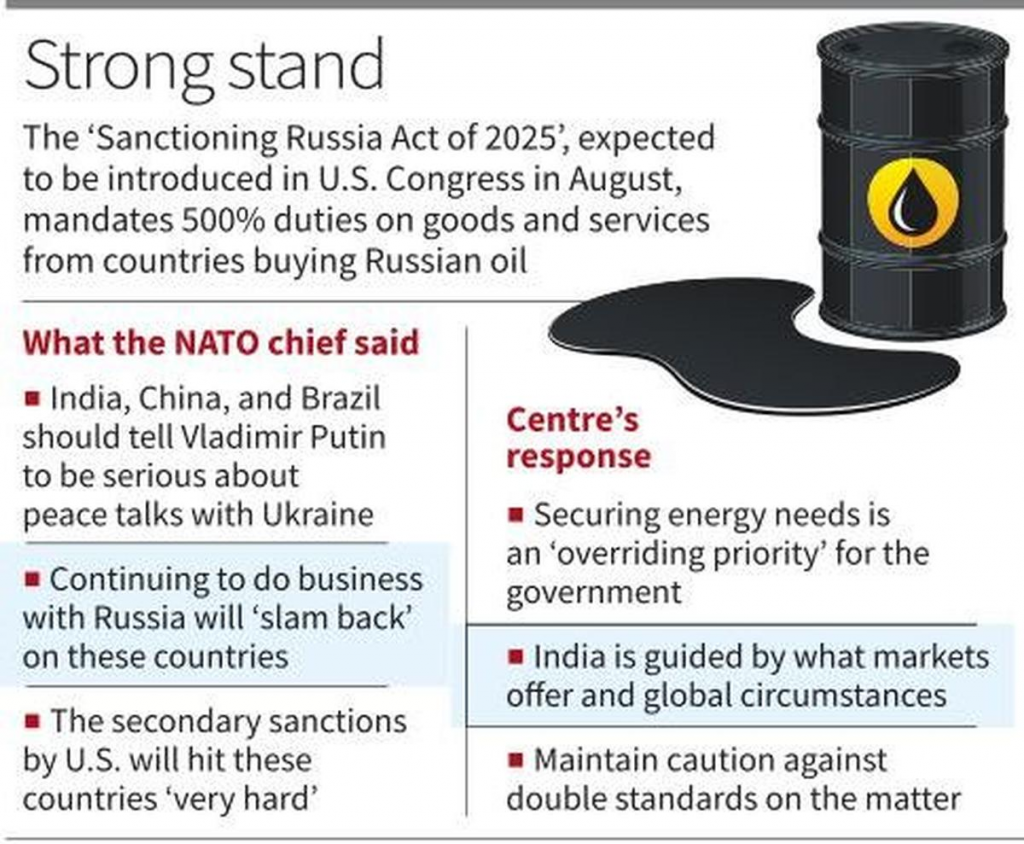
The use of secondary sanctions often incurs mixed reactions from the international community. While some countries and companies comply to avoid penalties, others vehemently oppose these measures, viewing them as an overreach of power. This divergence can lead to geopolitical tensions and shifts in alliances. Several nations, including China and Russia, have positioned themselves against the unilateral application of secondary sanctions, advocating for a multipolar world order where economic influence is more evenly distributed among major powers.
Implications for Businesses
For international businesses, secondary sanctions present both opportunities and challenges. Companies must navigate a complex landscape of compliance while weighing potential market opportunities against the risks of engaging with sanctioned entities. Failure to adhere to secondary sanctions can result in severe penalties, including hefty fines and loss of market access in key regions.
Businesses engaged in international trade must invest in robust compliance frameworks, including thorough due diligence processes and ongoing monitoring of global sanction lists. Firms must also engage legal counsel to fortify their understanding of the legal implications of secondary sanctions and ensure alignment with evolving geopolitical dynamics.
The Future of Secondary Sanctions
Looking forward, the landscape of secondary sanctions is likely to evolve in response to changing global dynamics. As more countries embrace economic nationalism and seek to protect their sovereignty, the use of secondary sanctions may face pushback and challenge. Furthermore, advancements in technology and the rise of alternative financial systems, such as cryptocurrency, could undermine traditional sanctions regimes, potentially rendering secondary sanctions less effective over time.
Conclusion
Secondary sanctions represent a crucial element of modern international relations and economic strategy. Their multifaceted implications extend beyond mere economic penalties, influencing diplomatic relationships and global trade dynamics. As businesses strive to navigate these challenging waters, understanding the fundamentals of secondary sanctions and their impact on international exposure is more critical than ever. With geopolitical tensions continuing to shape the global landscape, the interplay between secondary sanctions, compliance, and market access will play a pivotal role in the future of international commerce.