

Understanding Sanctions Compliance & Risk Advisory: Key Considerations for Businesses
In today’s interconnected world, Sanctions Compliance & Risk Advisory International Law Firm plays an instrumental role in shaping the compliance landscape. Stiff regulations and evolving geopolitical climates necessitate robust sanctions compliance frameworks for businesses operating internationally. This article aims to delve into the intricacies of sanctions compliance and risk advisory, highlighting the critical components, common challenges, and best practices for companies striving to adhere to these measures.
What Are Sanctions?
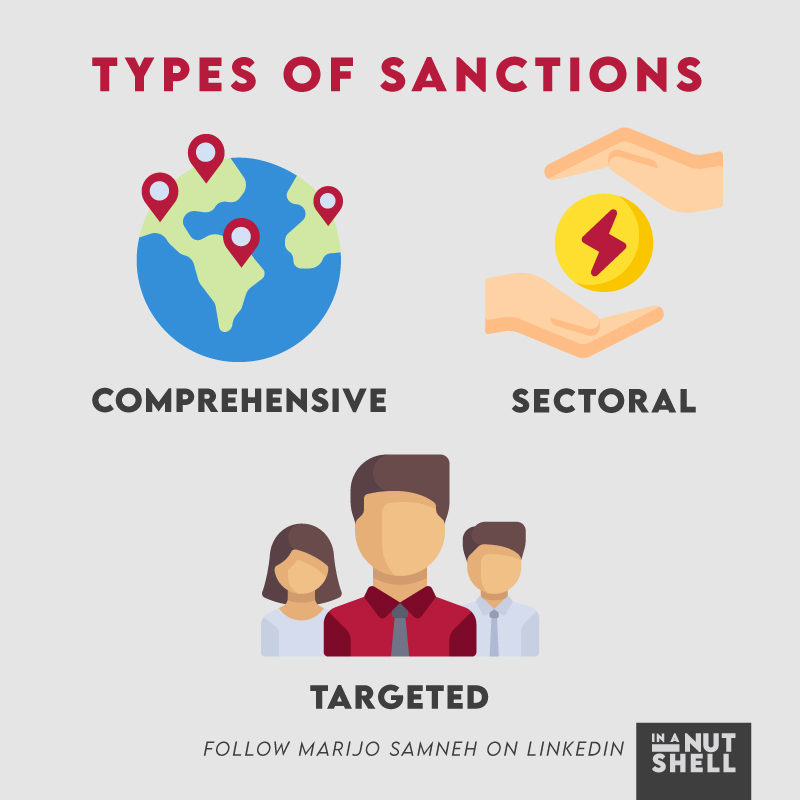
Sanctions are restrictive measures imposed by governments or international bodies to influence the behavior of specific countries, groups, or individuals. They can take various forms, including trade restrictions, asset freezes, travel bans, and financial limitations. These measures are often a response to issues such as national security threats, human rights violations, or aggression against other countries.
The Importance of Sanctions Compliance
Sanctions compliance is crucial for businesses to mitigate legal and financial risks. Non-compliance can result in severe penalties, including substantial fines, criminal charges, and reputational damage. As organizations expand their global reach, the complexity of navigating the sanctions landscape increases. Therefore, a well-defined sanctions compliance program is essential to protect the interests of the business and ensure adherence to legal requirements.
Key Components of a Sanctions Compliance Program
A robust sanctions compliance program typically includes the following components:
1. Risk Assessment
Understanding the risks associated with sanctions is the first step. Conducting a comprehensive risk assessment helps identify potential vulnerabilities in the business’s operations, supply chains, and customer base. This assessment should consider industry, geography, and transaction types.
2. Policies and Procedures
Developing clear policies and procedures is vital for guiding employee behavior regarding sanctions compliance. These documents should outline the organization’s commitment to compliance, detail the steps employees must follow to avoid sanctions violations, and state the consequences for non-compliance.
3. Training and Awareness
Regular training sessions are necessary to ensure employees are aware of their obligations under sanctions laws. Training programs should be tailored to the organization’s specific risk profile, covering topics such as identifying sanctioned entities, understanding transaction screening processes, and reporting suspected violations.
4. Monitoring and Screening
Implementing proactive monitoring and screening measures is essential in detecting potential sanctions risks. Businesses should routinely screen customers, suppliers, and other business partners against relevant sanctions lists to ensure compliance before engaging in transactions.
5. Reporting Mechanism
Establishing a robust reporting mechanism allows employees to report suspicious activities without fear of retaliation. This transparency fosters a culture of compliance and encourages vigilance among staff members.
Common Challenges in Sanctions Compliance
Despite the best efforts to implement a sanctions compliance program, organizations frequently encounter challenges. Some common issues include:
1. Complex Regulatory Environment
The sanctions landscape is constantly changing, with new sanctions being introduced and existing ones amended regularly. Keeping track of these changes can be daunting for businesses, particularly those operating across multiple jurisdictions.
2. Resource Constraints
Many businesses, especially smaller ones, may lack the resources necessary to develop and maintain a comprehensive sanctions compliance program. This can pose significant risks if not addressed adequately.
3. Data Management Issues
Maintaining accurate and up-to-date records of transactions, customer information, and compliance activities can be challenging. Inadequate data management may lead to misidentification of sanctioned entities and, consequently, unintentional violations.
Best Practices for Effective Sanctions Compliance
To navigate the challenges of sanctions compliance effectively, businesses can adopt several best practices:
1. Stay Informed
Regularly review and update your knowledge of sanctions regulations. Stay connected with legal experts and resources to ensure you are aware of the latest developments and compliance requirements.
2. Invest in Technology
Utilize technology solutions for transaction screening and monitoring. Automated systems can help reduce the risk of human error and ensure timely compliance with sanctions regulations.
3. Collaborate with Experts
Engage with compliance and risk advisory professionals who specialize in sanctions issues. Their expertise can provide valuable insights and help tailor your compliance program to meet specific industry needs.
Conclusion
As the global business environment becomes increasingly complex, navigating sanctions compliance and risk advisory is more important than ever. By un
derstanding the components of an effective sanctions compliance program, addressing common challenges, and implementing best practices, businesses can protect themselves from potential risks while enhancing their reputation and operational integrity.
In summary, proactive sanctions compliance is not just about avoiding risks; it’s an integral part of responsible business conduct in today’s world. Engaging in continuous improvement of compliance programs will enable organizations to adapt to changing regulations and maintain their commitment to ethical business practices.
